
20 Chic Boho Kitchen Styles That Make Your Home Feel Luxurious
Boho kitchens are having a serious moment—and for good reason. They feel warm, lived-in, and effortlessly stylish all at once. You don’t need a massive budget or a total renovation to get that look. Small, intentional changes make a huge difference. Whether you rent or own, there are easy ways to bring that relaxed, artsy, globally-inspired energy into your kitchen. This guide covers 20 chic boho kitchen styles that feel genuinely luxurious without the luxury price tag. Each idea is practical, affordable, and totally doable on a weekend.
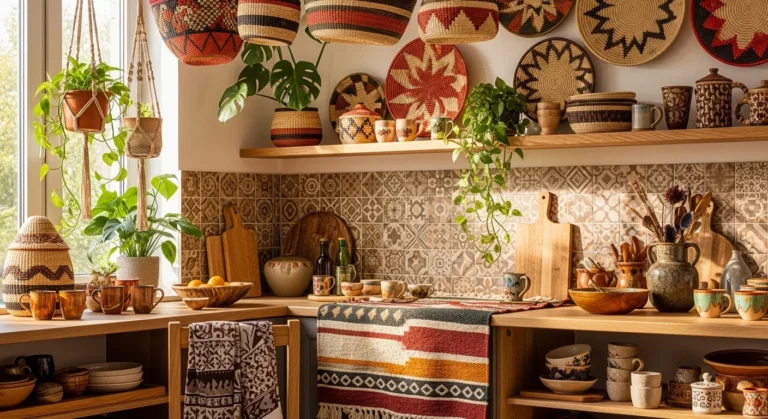
1. Rattan Pendant Lighting Over the Island

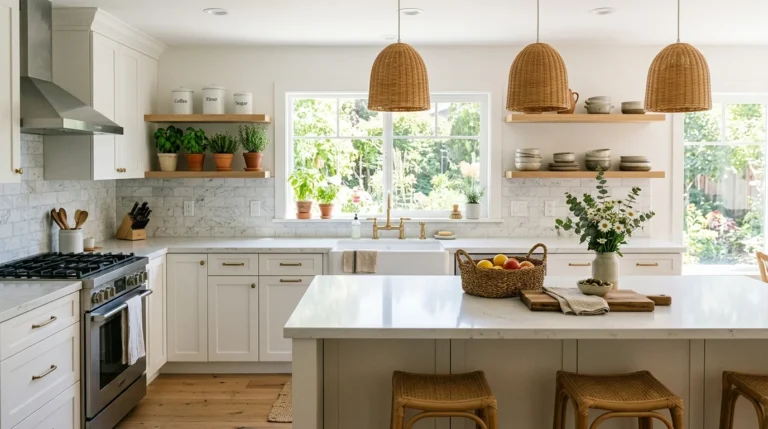
Lighting sets the whole mood of a kitchen. Rattan pendant lights are one of the easiest boho swaps you can make. They’re widely available, affordable, and they transform a plain kitchen instantly.
Look for woven cane or bamboo shades online. Many styles cost between $30–$80 per pendant. You can swap out an existing pendant in under an hour with basic tools.
The woven texture casts beautiful, dappled shadows across your counters at night. It adds warmth that no recessed light can replicate.
If you rent, look for plug-in pendant versions. These hang from a ceiling hook and require zero electrical work.
Pair rattan lights with warm-toned Edison bulbs (2700K color temperature) for that golden, cozy glow. Avoid bright white bulbs—they kill the vibe immediately.
Two or three pendants in a row over an island look especially polished. Mismatched sizes can also work beautifully in a collected, eclectic way.
This single swap often makes the biggest visual impact of any boho kitchen upgrade.
2. Open Shelving With Earthy Ceramics

Open shelving looks intimidating, but it’s one of the most budget-friendly ways to add boho personality to a kitchen.
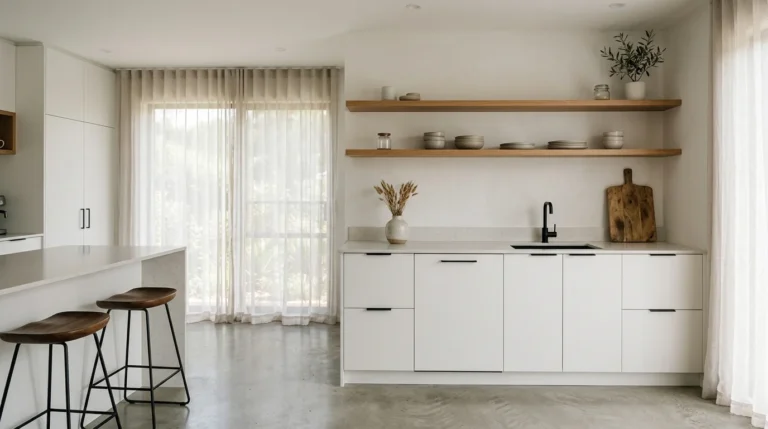
Remove a few upper cabinet doors—or skip them entirely on one wall. Floating wood shelves (pine or walnut-stained boards) cost very little and install with basic wall anchors.
The real magic is in the styling. Stick to an earthy color palette: rust, cream, sage, warm brown, dusty rose. Avoid bright plastics or mismatched colors.
Fill shelves with:
- Hand-thrown ceramic bowls and mugs
- A few trailing plants like pothos or string of pearls
- Woven baskets for storage
- Stacked linen napkins
You don’t need to buy everything new. Thrift stores are full of beautiful stoneware at $2–$5 per piece. Look for organic shapes and muted glazes.
Group items in odd numbers—threes and fives feel more natural than pairs. Leave some breathing room between objects so the shelf doesn’t feel cluttered.
Rotate items seasonally to keep the display feeling fresh without spending anything.
3. Terracotta Tile Backsplash
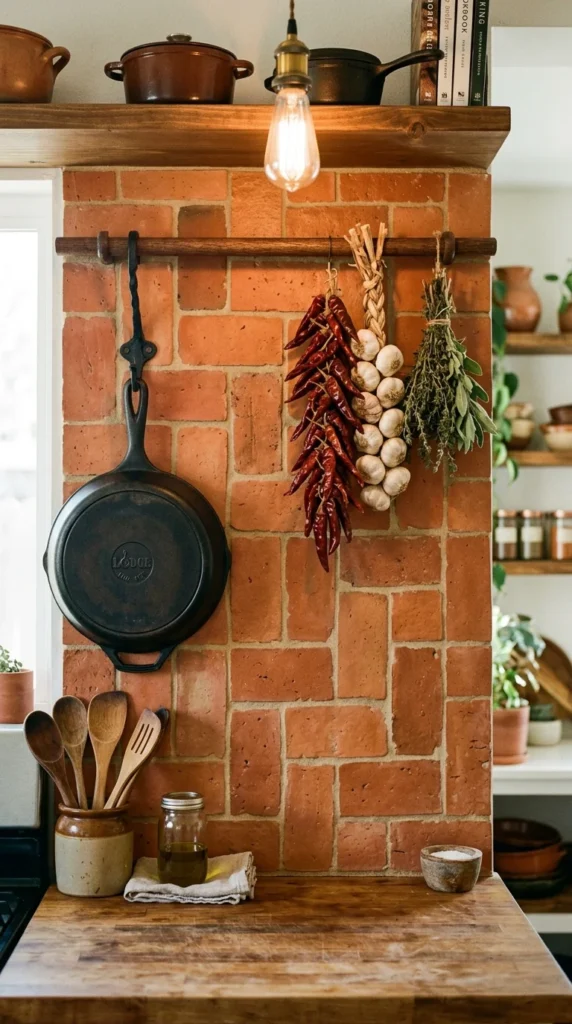
Terracotta tile brings instant warmth and that handcrafted, globally-traveled aesthetic that defines great boho design.
You don’t need to retile your entire kitchen. An accent section—just behind the stove or a small stretch above the counter—makes a huge statement.
Peel-and-stick terracotta tiles are a renter-friendly option. They cost around $2–$5 per tile and go up in an afternoon. They’re removable without wall damage when done carefully.
For a permanent install, real terracotta or terracotta-look ceramic tiles cost $3–$8 per square foot. A small backsplash area (like a 3×4 section) can be done for under $100 in materials.
The slight variation in tone between handmade-style tiles adds that authentic, imperfect quality. Embrace the irregularity—it’s what makes them look expensive.
Pair terracotta tile with natural wood shelves above and brushed gold or oil-rubbed bronze hardware. The combination is rich without being over-the-top.
Seal unglazed terracotta before use in the kitchen. A simple penetrating sealer costs around $15 and protects against grease and moisture permanently.
4. Macramé Wall Art as a Statement Piece

Macramé is one of the most recognizable boho textures—and it works beautifully in kitchens.
A large macramé piece on a bare kitchen wall adds softness to what’s usually a hard, utilitarian space. It fills dead wall space without the need for art framing, hanging hardware, or much commitment.
You can make your own for under $20. Natural cotton rope, a wooden dowel, and a basic knot tutorial on YouTube is all you need. A beginner can finish a simple wall hanging in a few hours.
Bought versions range from $25 for small pieces to $150+ for large statement hangings. Check Etsy or local craft markets for unique handmade options.
Hang macramé beside a window where it will catch light and cast soft shadows. The texture looks especially good in natural daylight.
For the kitchen specifically, opt for smaller, tighter knot patterns rather than very open weaves. They collect less grease and dust over time.
Natural undyed cotton rope works best—it pairs with everything and never clashes. You can also find options in warm cream, rust, and sage tones for a more colorful touch.
5. Woven Jute or Sisal Kitchen Runner

Kitchen floors take a beating. A woven jute or sisal runner adds warmth, texture, and that unmistakably organic boho feel underfoot.
Jute runners are inexpensive—usually $20–$60 for a standard kitchen size. They’re durable, naturally textured, and look expensive against wood or tile floors.
The key is sizing. Go longer and wider than you think you need. A runner that’s too small looks like an afterthought. Aim for a runner that runs the full length of your main work area.
Sisal is slightly more durable than jute and holds up better in high-moisture areas. If your kitchen is humid, sisal is the smarter pick.
Anti-slip pads underneath are non-negotiable for safety. These cost $10–$15 and keep the runner perfectly in place.
Stick with natural tones: undyed beige, warm tan, or soft off-white. Avoid synthetic-looking woven rugs—they lose the organic quality that makes the boho style work.
You can layer a smaller, flatter rug or kilim piece on top of the jute runner near the sink for extra personality. Layering rugs is a classic boho styling trick.
6. Dried Botanicals and Pampas Grass Arrangements

Dried botanicals bring life to a kitchen without the maintenance of fresh flowers. Pampas grass, bunny tail grass, dried lunaria, and preserved eucalyptus are all classic boho choices.
The beauty of dried arrangements is that they last for years with zero upkeep. No watering, no wilting, no weekly replacement.
A tall pampas grass arrangement in a large ceramic or terracotta vase makes a dramatic floor-level statement beside an island or in an empty corner. These can be sourced affordably from craft stores or even foraged in the right climates.
Small tabletop arrangements work just as well. A few dried stems in a simple bud vase cost almost nothing and add instant texture.
Mix textures for depth: fluffy pampas alongside spiky dried thistles, round seed pods, or feathery grasses. The contrast is what makes arrangements look curated rather than random.
Avoid arrangements that look too perfect or symmetrical. Loose, organic shapes are the goal. Let stems lean, let fronds fall naturally.
For color, stick to neutrals: cream, wheat, dusty blush, faded sage. These tones layer beautifully without competing with your kitchen’s existing palette.
7. Mismatched Vintage Barstools

Matching barstools look fine. Mismatched vintage barstools look intentional, stylish, and full of character.
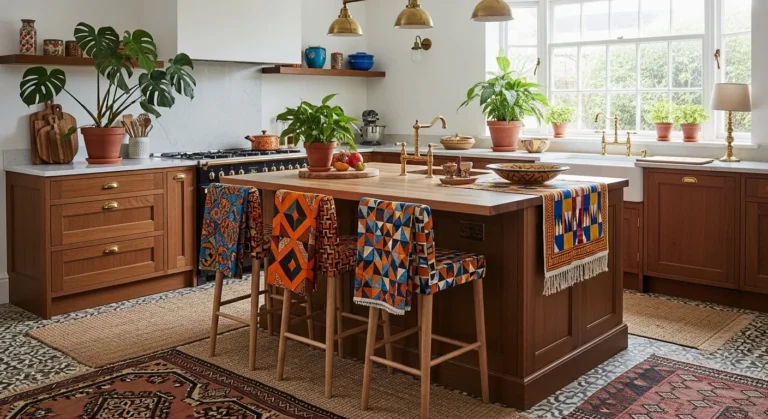
This is one of the easiest and cheapest ways to add boho personality to a kitchen island or breakfast bar. Thrift stores, Facebook Marketplace, and estate sales are full of interesting stools for $5–$30 each.
Look for:
- Turned wooden legs in natural or warm-stained finishes
- Rattan or cane seats
- Worn leather seats with a patina
- Low backs with organic shapes
The trick to pulling off mismatched stools is finding a common thread. They might share a similar height, a similar color family, or a similar material. One consistent detail ties them together visually.
Add linen or cotton tie-on seat cushions for comfort and extra texture. These are easy to make yourself from fabric remnants or buy for under $10 each.
Sand and re-stain stools that need a refresh. A $12 can of wood stain transforms a beat-up thrift find into something beautiful in an afternoon.
Avoid all-matching, all-identical sets—they look too catalog-perfect for this aesthetic.
8. Copper and Brass Hardware Throughout

Cabinet hardware is the jewelry of a kitchen. Swapping out basic chrome or nickel pulls for copper or aged brass hardware is one of the highest-impact, lowest-cost upgrades possible.
A single drawer pull costs $3–$8. Even an entire kitchen’s worth of hardware typically runs $60–$150 total—a fraction of what any other upgrade costs.
Look for:
- Unlacquered brass (it develops a natural patina over time, which looks beautiful)
- Antique brass with a slightly aged, matte finish
- Hammered copper pulls for extra texture
- Mixed metals in similar warm tones
Installation requires only a screwdriver. Most pulls use standard screw spacing, so swaps are simple.
Don’t over-polish brass or copper hardware. The slight darkening that develops over time gives it that authentic, lived-in quality that defines boho style.
Extend the look to faucets and light switch covers if your budget allows. A brass kitchen faucet ($80–$200) makes a dramatic statement against terracotta or white tile.
Even small hardware updates signal a considered, intentional design approach that reads as luxurious.
9. Linen Curtains in the Kitchen Window

Most kitchens skip window treatments entirely, which leaves windows feeling cold and bare. Linen curtains change the whole atmosphere.
Linen is the ideal fabric for boho kitchens. It drapes softly, filters light beautifully without blocking it, and that slightly wrinkled texture is part of its charm. Never iron linen curtains—the relaxed look is the point.
Simple iron or wooden curtain rods mounted just above the window frame (or even at ceiling height for drama) keep the look clean and unfussy.
Look for:
- 100% linen or linen-cotton panels in natural, ivory, or warm white
- Clip rings for an easy, tool-light installation
- Longer-than-necessary panels that puddle slightly at the floor
Budget linen-look curtains from IKEA (the DYTÅG line) cost around $20–$30 per panel. Pure linen from specialty stores costs more but lasts for decades.
Layer with a simple sheer underneath if privacy is needed. Two layers of light fabric look soft and dimensional without blocking natural light.
This single addition softens the hard surfaces of a kitchen dramatically.
10. A Plant-Covered Kitchen Shelf or Window Garden

Plants make kitchens feel alive. A dedicated plant shelf or window herb garden adds color, texture, and warmth simultaneously.
The kitchen is actually a great environment for plants. Humidity from cooking, natural light from windows, and the heat from cooking all support plant growth.
Best kitchen plants:
- Pothos – trails beautifully, nearly impossible to kill
- Fresh herbs (basil, rosemary, mint) – useful and beautiful
- Spider plants – thrive in indirect light
- String of pearls – cascades dramatically from shelves
Use mismatched terracotta pots in different sizes for a collected, organic look. Group them at varying heights using small wooden risers or stacks of books.
A hanging planter near the window adds verticality without taking up counter space. Macramé plant hangers ($5–$15) work perfectly here.
Trailing vines along open shelving—draped over the shelf edge or directed with small hooks—look especially lush and organic.
You don’t need a green thumb. Pothos thrives on neglect. One watering per week is usually plenty.
11. Hand-Thrown Pottery as Everyday Dishes

Your dishes are part of your kitchen’s visual identity. Hand-thrown or artisan-style pottery immediately shifts a kitchen from ordinary to something that feels genuinely special.
You don’t need a full matching set. Boho style celebrates the collected, mix-and-match approach. Look for:
- Stoneware in muted, earthy tones (warm white, terracotta, sage, dusty blue)
- Organic shapes with slightly uneven rims
- Visible throwing marks or natural glaze variations
- Handmade-looking texture, even if machine-made
Thrift stores are the best source. Beautiful stoneware sells for $1–$5 per piece at secondhand shops. Build a mismatched set slowly over time—it ends up looking more intentional than a store-bought matching set.
Display them openly on shelves rather than hiding them in cabinets. The textures and earthy tones add visual warmth to the space even when not in use.
Small local pottery markets are worth visiting. Even one or two genuinely handmade pieces mix beautifully with affordable secondhand finds.
Use pottery daily. Beautiful objects deserve to be used, not saved for company.
12. Exposed Wood Ceiling Beams

Exposed wood ceiling beams are a dramatic architectural feature that defines rustic-boho kitchens. If you have them, celebrate them. If you don’t, you can fake them affordably.
Faux wood beams made from lightweight polyurethane foam cost $50–$150 per beam and look incredibly realistic once installed and painted or stained. They’re hollow, lightweight, and attach with adhesive and a few screws.
Real reclaimed wood beams salvaged from old barns or demolition sites add genuine texture and history. Check salvage yards and Craigslist for affordable finds.
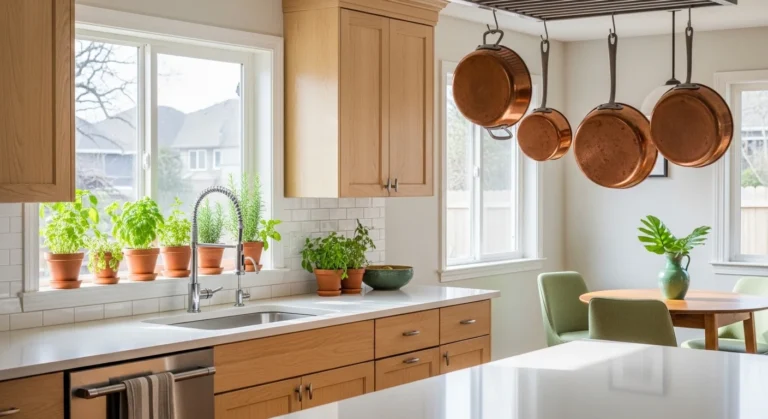
Use beams functionally: hang a simple iron rod between two beams for drying herbs, hanging copper pots, or displaying dried botanicals. This adds layers of texture at ceiling height.
Stain beams in warm honey, medium walnut, or dark espresso tones depending on your kitchen’s overall color palette. Avoid gray washes—they read as too modern for boho.
Leave the wood natural and slightly rough rather than sanding it glassy smooth. The texture is the whole point.
Even one beam across a small kitchen makes a significant visual impact.
13. Wicker and Rattan Storage Baskets

Storage doesn’t have to look clinical. Wicker and rattan baskets solve the clutter problem while adding serious boho texture.
Use baskets to corral:
- Onions, garlic, and potatoes
- Linen napkins and kitchen towels
- Snack items that would otherwise pile on counters
- Small appliances you don’t use daily
Under-counter storage in baskets looks infinitely warmer than plastic bins or wire racks. On open shelves, they add a natural, organic element that softens the visual weight of plates and bowls.
Vary the shapes and sizes for a layered, collected look. A tall rectangular basket beside shorter round ones creates visual rhythm.
Lidded baskets are great for hiding things you want accessible but not always visible—charging cables, random mail, miscellaneous items that accumulate in kitchens.
Most rattan baskets cost $10–$40. IKEA, TJ Maxx, and HomeGoods carry decent options. Craft stores like Michaels often discount them heavily.
Label baskets with small hand-lettered tags on twine if you need to find things quickly. The tags themselves add a handmade touch.
14. A Vintage Kilim Rug Underfoot

A vintage kilim rug is one of the fastest ways to transform a kitchen floor from purely functional to genuinely beautiful.
Kilims are flat-woven rugs with geometric or tribal-inspired patterns. They’re thin, durable, and naturally suited to kitchen use compared to thick pile rugs that trap crumbs.
The colors in antique or vintage kilims—faded terracotta, dusty navy, cream, muted ochre—are a perfect match for boho kitchens. The worn, faded quality is desirable, not a flaw.
Where to find them affordably:
- eBay and Etsy have thousands of vintage kilims from $50–$200
- Estate sales and antique markets often sell them for less
- Turkish and Persian import shops occasionally have affordable smaller pieces
In the kitchen, use a kilim under a table and chairs or as a large area rug defining the dining zone. It grounds the space and adds pattern when everything else is texture-focused.
Spot clean kilims rather than machine washing. A light shake outside and an occasional vacuum on low suction is usually all they need.
15. Hanging Herb Garden With Iron Hooks

A hanging herb garden is both practical and visually stunning. Fresh herbs in terracotta pots hanging from iron hooks under your cabinets or on a mounted rod look like something from a high-end kitchen design magazine.
This takes very little space and costs almost nothing to set up.
What you need:
- A simple wooden dowel or iron rod mounted under upper cabinets
- S-hooks ($5 for a pack)
- Small macramé or jute hangers (DIY or buy for $5–$10 each)
- Terracotta pots with drainage
- Herb plants from a grocery store ($3–$5 each)
Basil, thyme, rosemary, and mint all grow well in a bright kitchen window situation. Herbs with similar water needs group well together.
The combination of terracotta, twisted rope, iron hardware, and living green plants hits multiple boho notes simultaneously—natural materials, organic shapes, warm tones.
Water sparingly—most kitchen herbs prefer slightly dry soil between waterings. A moisture check with your finger before watering prevents overwatering.
Trim herbs regularly to encourage bushy growth and prevent them from bolting to seed.
16. Natural Wood Countertops or Butcher Block

Natural wood countertops—especially butcher block—are one of the most defining elements of a warm, boho kitchen.
Butcher block is far more affordable than stone: full slabs cost $30–$60 per square foot. IKEA’s BADELUNDA butcher block countertops start at around $200 and are among the most accessible options available.
Wood counters require oil maintenance every few months, but the process takes only 15 minutes. Food-safe mineral oil ($10 a bottle) keeps the wood hydrated and protected indefinitely.
The natural variations in wood grain, knots, and color shifts make every butcher block surface unique. Small scratches and dents that accumulate over time give the counter a beautiful, lived-in patina.
For renters, a large butcher block cutting board placed on top of an existing counter creates a similar look over a section of the workspace. A thick end-grain board can cover a significant area.
Pair wood counters with white or cream painted lower cabinets to let the warm wood grain stand out. The combination is classic, warm, and enduringly stylish.
Avoid bleach cleaners on wood. Warm soapy water and occasional oiling is all it needs.
17. A Gallery Wall of Botanical Prints

Art belongs in the kitchen. A gallery wall of botanical prints brings pattern, color, and a collected, well-traveled feeling to what’s often the most neglected wall in a home.
Botanical illustrations—vintage-style ferns, wildflowers, herbs, fruit—fit perfectly with boho kitchen aesthetics. They feel both earthy and refined simultaneously.
Finding affordable prints:
- Etsy sells digital downloads of vintage botanical illustrations for $2–$8 each
- Print them at home or at a local print shop on matte paper for a few dollars each
- Frame at IKEA (the RIBBA range) for $5–$15 per frame
For the gallery arrangement, mix frame sizes slightly while keeping the wood tones similar. A loose, organic arrangement looks more collected than a rigid symmetrical grid.
Leave small gaps between frames rather than packing them tightly. Breathing room makes each print feel more considered.
A gallery wall above a small kitchen table or on the wall beside a window transforms those often-blank surfaces completely.
Add one or two non-print elements—a small woven piece, a ceramic wall hanging, a small shelf with a plant—to break the flatness of an all-print arrangement.
18. Antique or Vintage Kitchen Scale as Decor

Functional objects can be beautiful decor. A vintage kitchen scale on the counter adds character, history, and a warm metallic element that feels genuinely luxurious.
Old brass or cast iron scales are purely decorative in most modern kitchens (most people use digital scales for actual cooking), but they look extraordinary styled on a counter or open shelf.
Look for them at:
- Antique markets and estate sales ($20–$80 for beautiful pieces)
- eBay or Etsy for specific styles
- Thrift stores occasionally—patience pays off here
Style the scale actively: fill the bowl with fruit, small gourds, fresh herbs, lemons, or a bundle of dried botanicals. A styled scale looks intentional; an empty one looks forgotten.
Brass and copper-toned metals fit the boho palette beautifully. Cast iron in dark tones adds a farmhouse edge that works equally well.
Pair the scale with other collected-looking objects nearby: a mortar and pestle, a wooden cutting board propped against the wall, ceramic crocks of utensils.
The layering of functional vintage objects creates visual storytelling—a sense that the kitchen has history and personality beyond just cooking.
19. Carved Wood or Beaded Cabinet Panels

Adding carved wood inserts or beaded panel details to cabinet doors is an unexpected design move that immediately sets a kitchen apart.
This works especially well on kitchen island cabinets, pantry doors, or lower cabinet faces. The carved or perforated panels add shadow play and texture that flat cabinet fronts completely lack.
Affordable ways to do this:
- Replace one or two solid cabinet door panels with pre-made carved wood inserts (available online for $20–$60 per panel)
- Add carved wood appliqués (decorative overlays that glue directly onto flat cabinet doors) for $10–$30
- Use beaded board or lattice panels cut to size for a more subtle texture
This works especially well when backlit—the light from inside the cabinet glows warmly through carved openings, creating a lantern effect at night.
Keep carved panels in the same tone as surrounding cabinets, or go slightly deeper in warm honey or walnut tones for contrast.
The result looks custom and architectural without requiring custom cabinetry. One or two accent cabinet doors with carved panels add enough interest without overwhelming the space.
20. A Freestanding Boho Pantry Cabinet

Not every kitchen has a pantry. A freestanding vintage cabinet solves the storage problem while doubling as one of the most character-rich pieces of furniture in the kitchen.
Look for:
- Old farmhouse hutches with open upper shelving
- Antique French armoires (deeper storage)
- Vintage sideboards repurposed as kitchen storage
- Old wooden wardrobes with glass or open fronts
These show up regularly at thrift stores, estate sales, and Facebook Marketplace for $50–$300 depending on size and condition. A $75 thrift store hutch painted in a muted sage green or warm cream becomes a stunning kitchen anchor.
Paint transforms dated pieces completely. Chalk paint adheres to most surfaces without heavy prep and creates that soft, slightly aged matte finish that suits boho perfectly.
Style the open upper shelves with ceramics, plants, cookbooks, and baskets—the same approach as wall shelving, but with more volume and height.
The freestanding nature of these pieces means they move with you when you rent or relocate. It’s a permanent investment in your style, not a renovation tied to one apartment.
Conclusion
Boho kitchen design is really about choosing materials that feel warm, natural, and human over mass-produced and generic. Every idea on this list—rattan lights, terracotta tiles, dried botanicals, vintage barstools, macramé, hand-thrown ceramics—works because it brings something tactile, textured, and authentic into a space that most people treat as purely functional.
The best part? You don’t have to do everything at once. Start with one or two swaps. Change your hardware. Add a linen curtain. Pick up a beautiful ceramic piece at a thrift store. Each small change builds on the last. Over time, your kitchen becomes a genuinely individual space that reflects real personality—not a showroom, not a catalog page, but somewhere that feels luxurious in the most honest way: warm, comfortable, and completely your own.